Stress is something we all deal with at some point in our lives. It’s that tight feeling in your chest when you have too much going on or the racing thoughts that keep you up at night. But what many people don’t realize is how deeply stress can affect your body over time. The Impact Of Stress On Physical Health is significant, and understanding this connection can help you manage stress more effectively.
When you're stressed, your body goes into fight-or-flight mode. Your heart rate spikes, your blood pressure rises, and your muscles tense up. This state can feel necessary in the moment, like when you're facing a deadline or dealing with a tough conversation. However, if stress becomes a regular part of your life, these reactions can contribute to serious health issues.
Chronic stress can lead to problems like heart disease, digestive issues, and even a weakened immune system. It can throw your hormones out of balance, disrupt your sleep, and even result in weight gain. It’s not just about feeling overwhelmed; the Impact Of Stress On Physical Health can show up in real ways that affect your everyday living.
Addressing stress isn't just about relaxation techniques. It's about finding a balance in your life that helps you manage pressures effectively. Regular exercise, a balanced diet, and talking to someone about what you’re going through can all be beneficial. It's really about taking small steps to reduce that stress and improve your overall health.
How Stress Affects Your Body
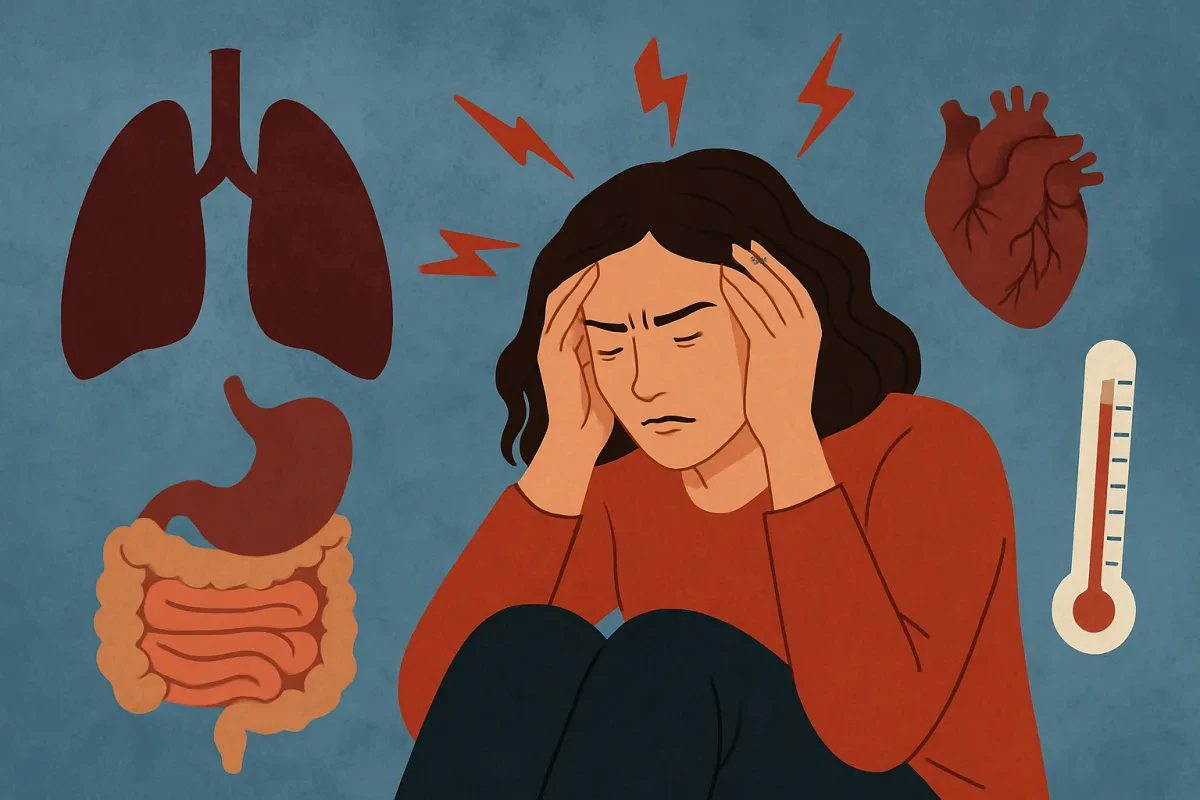
Stress isn't just something that messes with your mind; it has real effects on your body, too. From headaches to stomach issues, stress can shake things up in ways you might not even realize. When you’re feeling stressed, your body releases hormones like cortisol. This can lead to a number of physical symptoms, adding to the burden you’re already feeling.
You ever notice how your muscles get tense when you're stressed? It’s like your body is ready to jump into action, but there’s nothing to fight or run from. This prolonged tension can lead to aches and pains, especially in your neck and back. Plus, if you carry that stress with you day after day, you might end up with chronic pain issues.
Your heart also takes a hit. The Impact Of Stress On Physical Health includes increased heart rate and blood pressure. Over time, this stresses your heart and raises the risk of serious conditions like heart disease. And let’s not forget your immune system. Stress can weaken it, making you more vulnerable to colds and other illnesses. It’s like your body waves a white flag when it’s overwhelmed.
Sometimes stress can mess with your sleep, too. If you find yourself tossing and turning at night, it could be related to the worries piling up during the day. Sleep deprivation brings its own set of issues, ranging from poor concentration to a bigger risk of accidents. The circle continues, making managing stress an important part of keeping yourself healthy.
Don't ignore those physical signs that stress is getting to you. Whether it’s a headache, an upset stomach, or even fatigue, your body is communicating. Understanding the Impact Of Stress On Physical Health helps you take steps to manage it better—whether through relaxation techniques, exercise, or just taking a break now and then. You deserve to feel good and stress-free!
Long Term Health Risks of Stress
Stress isn’t just a temporary feeling; it can lead to some serious long-term health issues. When you carry that pressure over time, your body responds in ways you might not even notice at first. It's like that annoying background music that suddenly becomes the main act in your life. You start to feel it physically and emotionally, which is a big part of the Impact Of Stress On Physical Health.
One major risk is heart disease. Chronic stress can increase your heart rate and blood pressure, putting strain on your heart. Over time, this can lead to serious conditions like heart attacks or strokes. It’s a wake-up call that stress management is key to keeping your heart healthy.
Then there's the immune system. When you’re constantly stressed, your body produces hormones like cortisol, which can weaken your immune response. This makes you more prone to colds and other illnesses. Nobody wants to feel under the weather regularly because of stress!
Don’t overlook mental health either. Stress can contribute to anxiety and depression, making everyday tasks feel overwhelming. It's a cycle that can deepen if left unchecked. This is another big part of the Impact Of Stress On Physical Health, reminding us to pay attention not just to our physical well-being but also our emotional state.
Lastly, we can’t ignore the impact on digestion. Stress can lead to issues like stomach aches, irritable bowel syndrome, and even weight gain or loss. It’s certainly a lot to juggle, and it shows how stress doesn’t just affect your mind—it also messes with your body in serious ways. Keeping stress in check means keeping your entire health in check!
Simple Ways to Manage Stress
Feeling overwhelmed? You're not alone. Managing stress doesn't have to be complicated. Here are some simple ways to help ease those worries and improve your life.
One of the easiest ways to tackle stress is through deep breathing. Just take a moment to step back, inhale deeply through your nose, and exhale slowly through your mouth. This can help calm your mind and lower your heart rate, making it easier to deal with life's challenges. Pair this with a few minutes of quiet time, maybe even some meditation or mindfulness, and you’re setting yourself up for success.
Exercise is another great stress-buster. You don’t need a gym membership; a brisk walk around the block or a quick dance in your living room can do wonders for your mood. Physical activity releases endorphins, which are your body's natural feel-good chemicals. Plus, regular movement can help minimize the overall impact of stress on physical health.
Don’t forget about the power of connection. Talking to friends or family about what you’re feeling can lighten the load. Sometimes just sharing your thoughts can bring perspective, and laughter can be an excellent medicine. If you can, schedule regular catch-ups to keep those connections strong.
Lastly, keep an eye on your diet. Eating well fuels your body and can improve your mood. Foods rich in omega-3s, like fish, or antioxidants, including berries, can help combat stress. Staying hydrated is also crucial because even mild dehydration can make you feel more anxious. Simple adjustments in what you eat can really make a difference in how stress impacts your physical health.