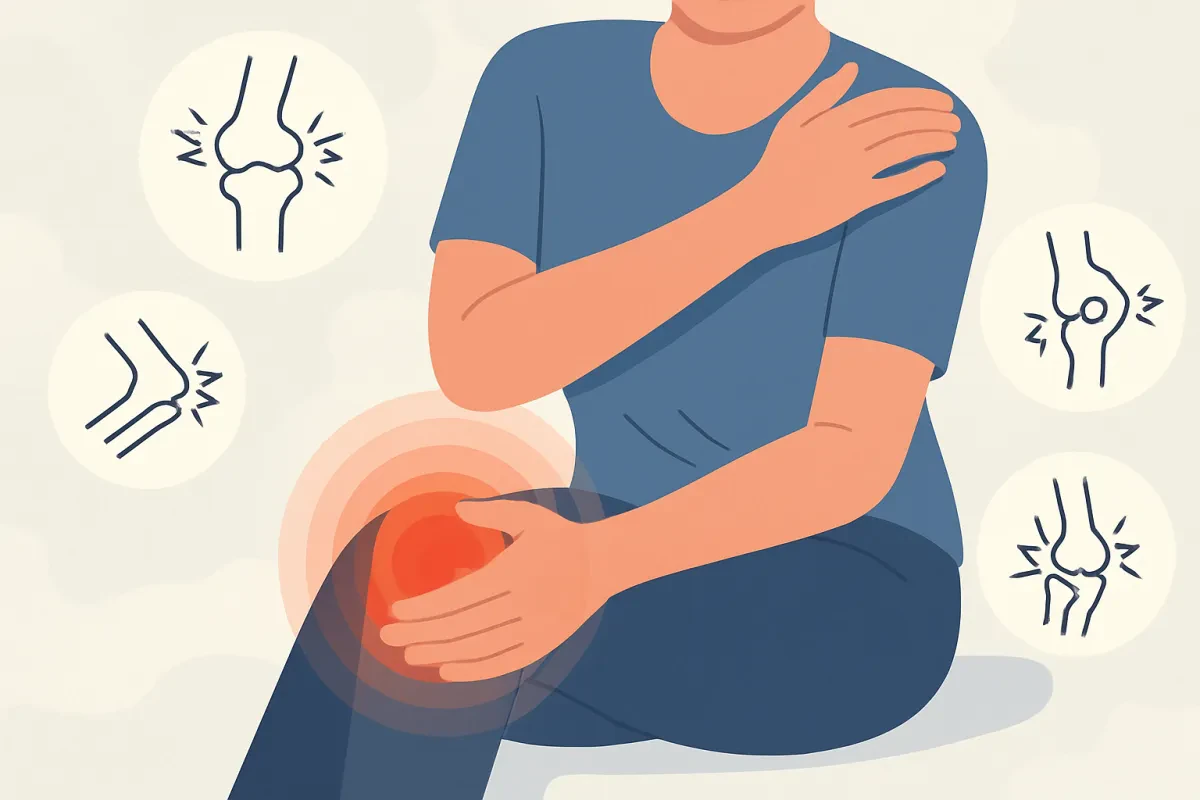
Joint pain can sneak up on you, and recognizing the Signs You Have Joint Pain Symptoms is key to finding relief. One of the most common symptoms is aching or stiffness in your joints. This may feel like the usual soreness after a workout, but if it sticks around longer than a day or two, it’s time to pay attention.
You might notice that certain activities become painful. Things like climbing stairs, getting up from a chair, or even just typing at your desk can feel like a challenge. If you find that you’re avoiding these activities because of discomfort, that’s another clear sign. Joints should help you move with ease, not hold you back.
Swelling is also a red flag. If your joints look larger than normal or feel warm to the touch, that's definitely worth noting. Sometimes, joint pain comes with a fun little bonus: decreased range of motion. If you’re struggling to fully extend or bend a joint, don’t ignore it. Those are strong Signs You Have Joint Pain Symptoms.
Don’t forget about the impact of joint pain on your daily routine. Fatigue can creep in when you’re uncomfortable, affecting everything from work to play. Pay attention to how your joints feel when the day winds down. If you’re feeling run down due to achy joints, that might be another hint you shouldn't overlook.
Common Causes of Joint Discomfort
Joint discomfort is something many of us experience at some point. It can stem from a variety of causes, so understanding these can help you identify what you might be dealing with. Here are some common reasons why you might feel aches or pains in your joints.
One of the most common culprits is arthritis. This condition happens when the lining of your joints becomes inflamed, leading to pain and stiffness. There are different types, like osteoarthritis and rheumatoid arthritis, each with its own set of specifics. If you notice swelling or tenderness in your joints, it's definitely one of the signs you have joint pain symptoms.
Injuries are another big factor. Whether it’s a sprain, strain, or a more severe injury, damage to your joints can result in ongoing pain. Activities like playing sports, heavy lifting, or even simply twisting the wrong way can lead to discomfort. If you’ve recently had a mishap or just feel a nagging pain after a workout, this might be the reason.
Other factors include overuse, which is pretty common in active lifestyles or jobs that require repetitive motions. This can lead to inflammation and pain. If you’ve been pushing yourself a bit too hard or doing the same movements day in and day out, it’s worth paying attention to any discomfort that follows. Remember, these are all signs you have joint pain symptoms that shouldn't be ignored.
When to Seek Medical Help
Pay attention if you experience swelling, redness, or warmth around a joint. These can signal something more serious. If you can't move your joint without pain or it feels stiff and swollen, don’t hesitate to reach out for advice.
Also, if your joint pain is accompanied by fever, unexplained weight loss, or persistent fatigue, it's definitely worth a visit to the doctor. These symptoms could indicate an underlying issue that needs attention.
One key sign to remember is if your joint pain disrupts daily activities or sleep. You deserve to feel good and manage your conditions easily, so don’t shy away from getting help when things get tough.
Tips for Managing Joint Pain
Living with joint pain can be a real challenge. If you’re noticing some signs you have joint pain symptoms like stiffness, swelling, or discomfort during daily activities, it’s important to manage it effectively. Here are some friendly tips to help you ease that pain and keep moving comfortably.
First off, don’t underestimate the power of gentle exercise. Walking, swimming, and yoga can improve flexibility and strength without putting too much strain on your joints. Aim for low-impact activities that get your blood flowing without causing further discomfort. Even short sessions can make a big difference.
Next, pay attention to your diet. Eating anti-inflammatory foods like leafy greens, nuts, and fatty fish can help reduce inflammation in your joints. Stay hydrated, too! Drinking enough water keeps your joints lubricated and may alleviate some of the discomfort. Avoiding processed foods and excessive sugar is also a smart move.
Heat and cold therapy can be your best friends in managing joint pain. A warm towel or heating pad can relax stiff muscles and improve blood flow. Cold packs, on the other hand, help numb sharp pain and reduce swelling. Use whichever feels best for you and listen to your body’s feedback.
Lastly, consider talking to a health professional about supplements. Glucosamine, chondroitin, and omega-3 fatty acids have shown promise in supporting joint health. Keeping an open line of communication with your doctor can help you find the best treatment options for your unique situation. By staying proactive and informed, you can better cope with those signs you have joint pain symptoms and enjoy life more fully.